Cullet Quality: The Hidden Key to Efficient Glass Production
Have you ever stopped to think about what happens to a glass bottle after you toss it into a recycling bin? A few weeks later, that same bottle may re‑emerge as part of a new container on a store shelf. This “glass‑to‑glass” cycle isn’t just a win for the environment; it’s also a powerful lever for efficiency. As members and stakeholders of the Glass Manufacturing Industry Council (GMIC), we understand that recycled glass—known in the industry as cullet—is a cornerstone of sustainable manufacturing. But there’s a catch: cullet quality isn’t always guaranteed. Impurities, mixed glass types and insufficient sorting can turn an asset into a liability, compromising furnace performance and product integrity.
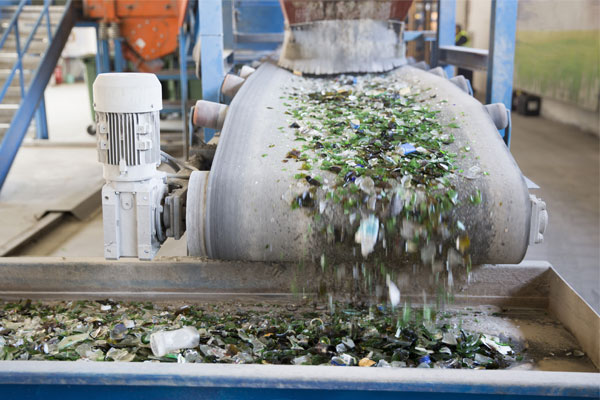
According to the Glass Packaging Institute, adding cullet to the batch mix drops energy costs by approximately 2–3 % for every 10 % of cullet used. A higher cullet ratio also cuts greenhouse‑gas emissions and extends furnace life by lowering melting temperatures from around 2800 °F to 2600 °F. These are compelling numbers. Yet we can only unlock these benefits when the cullet we feed into our furnaces is clean, consistent and correctly sorted. This blog explores why cullet quality matters, the challenges we face in maintaining it, and how the GMIC is working to address those challenges.
What is cullet and why do we use it?
Cullet is simply crushed, sorted and processed waste glass. In a traditional soda‑lime batch, virgin materials—silica sand, soda ash and limestone—must be heated to high temperatures to break down chemical bonds and form a homogeneous melt. Melting is the most energy‑intensive step, requiring the furnace to reach temperatures between 2,400 °F and 2,900 °F. When cullet is added to the raw mix, the glass network has already been formed, so it melts at a lower temperature. Research from Argonne National Laboratory and the National Renewable Energy Laboratory notes that cullet requires less energy to melt than virgin batch materials, reducing furnace emissions and dust. Lower operating temperatures extend refractory life and reduce fuel consumption.
From a sustainability standpoint, cullet is a critical driver of circularity. Every ton of recycled container glass reduces the need to mine sand and other minerals, conserving natural resources and reducing quarrying impacts. At the same time, the energy savings lower carbon dioxide (CO₂) emissions; the Glass Packaging Institute reports that a 10 % increase in cullet can cut particulate emissions by 8 %, nitrogen oxides by 4 % and sulfur oxides by 10 %. This isn’t just good news for the planet—it’s also an economic benefit for glass producers facing rising fuel costs and tighter environmental regulations.
The hidden cost of poor quality
Not all recycled glass is created equal. For manufacturers, cullet quality refers to the absence of contaminants and the consistency of color and chemistry. The Glass Technology Services article on recycling points out that while cullet saves raw materials and energy, contamination can lead to production losses and negative cost impacts. Mislabeled glass types, such as lead crystal, borosilicate ovenware or pyroceramics, may not fully melt; they can introduce inclusions, cracks and defects in the final product. Small pieces of pyroceramic can persist in the melt for several days, causing up to 5 % production losses. Such defects not only create waste but also trigger equipment downtime and inspection costs.
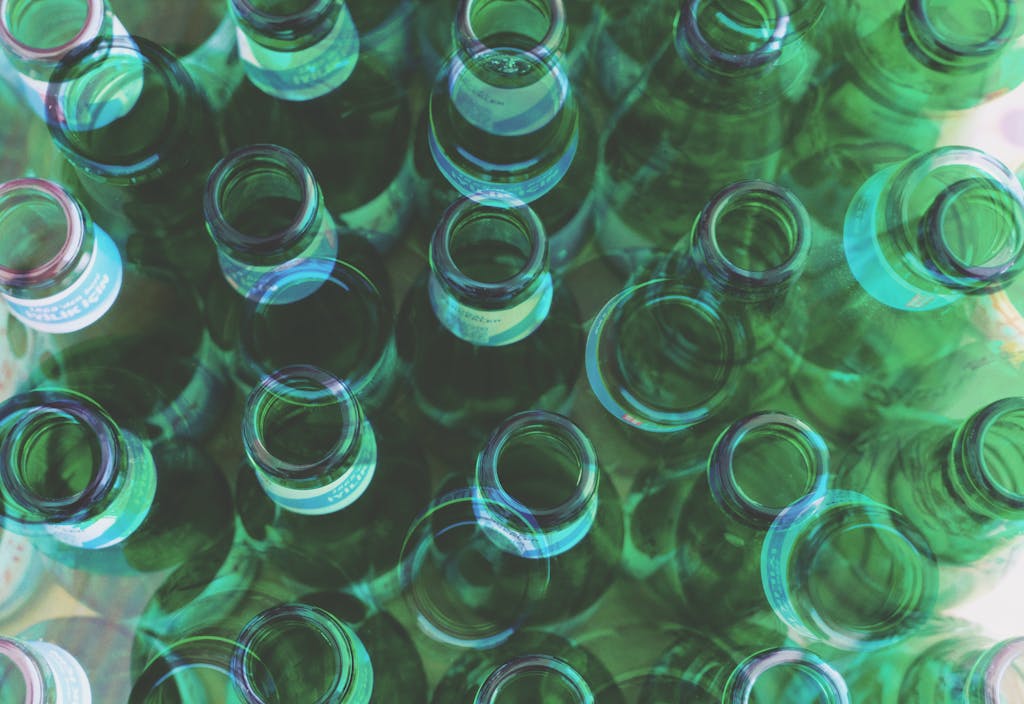
The Best Practices in Glass Recycling issued by the Clean Washington Center lists common cullet contaminants: ceramics, ferrous and non‑ferrous metals, organics (labels, corks and food residue), inorganic dirt and even hazardous waste. Ceramic fragments and Pyrex™ cookware often melt at higher temperatures than container glass and can cause inclusions. Ferrous metals melt but do not dissolve in the glass, leading to corrosion and inclusions. Excess organics affect the oxidation state of the melt and require operators to adjust temperature control. For quality container and fiberglass production, cullet must be free of coarse ceramics and metals. Even small amounts of heavy metals like lead or cadmium can jeopardize compliance with packaging laws. A 2015 evaluation of post‑consumer cullet in California recommends restricting toxic metals to 20 ppm non‑ferrous metals, mirroring European standards.
Contamination isn’t limited to the material itself; it also arises from collection practices. Single‑stream recycling, while convenient for households, often commingles glass with plastics, paper and other waste. The Glass Packaging Institute notes that only 40 % of glass collected through single‑stream systems is actually accepted at material recovery facilities. The remaining glass becomes lower‑grade aggregate or landfill cover rather than quality cullet. Consumers’ “wish‑cycling” of non‑recyclable glass items—like cookware, lightbulbs and ceramics—further degrades the stream. These trends highlight the urgent need for better sorting, education and infrastructure.
Unlocking efficiency: The benefits of high-quality cullet
When cullet quality is high, the benefits are profound. Cullet Quality: The Hidden Key to Efficient Glass Production isn’t just a catchy phrase—it’s a measurable reality. In one energy analysis, researchers found that total primary energy consumption for glass-container production dropped from 17 × 10⁶ Btu per ton with no recycling to 14.8 × 10⁶ Btu per ton under maximum recycling. Reduced melting temperatures also lower fuel consumption and combustion emissions, contributing to improved air quality. The same study notes that cullet use reduces dust and CO₂ generated by the batch chemical reactions. For furnaces, a cooler melt means less wear on refractories, longer campaign life and fewer unplanned shutdowns.
For producers, these savings translate into higher throughput. Clean, sorted cullet melts quickly and homogenously, allowing operators to run furnaces at higher pull rates without risking defects. Lower energy requirements also help companies align with corporate sustainability goals and reduce exposure to carbon pricing. In jurisdictions with emissions trading schemes, cullet can lower compliance costs by reducing CO₂ output. Moreover, because cullet already contains the necessary glass network, its use can increase production rates during periods of high demand, offering a flexible response to market fluctuations.
Improving cullet quality and supply
So how do we ensure that the cullet we rely on is up to standard? The Healthy Building Network’s evaluation of post‑consumer cullet highlights three interdependent strategies: rigorous contamination criteria, investment in processing technologies and transparent supply chains. European cullet processors, for example, deploy sophisticated scanning and separation systems—including metal detectors, optical sorters and vacuum systems—to remove non‑ferrous metals and ceramics. They publish heavy‑metal content and operate under strict standards (<20 ppm non‑ferrous metals), enabling end users to incorporate higher cullet percentages with confidence.
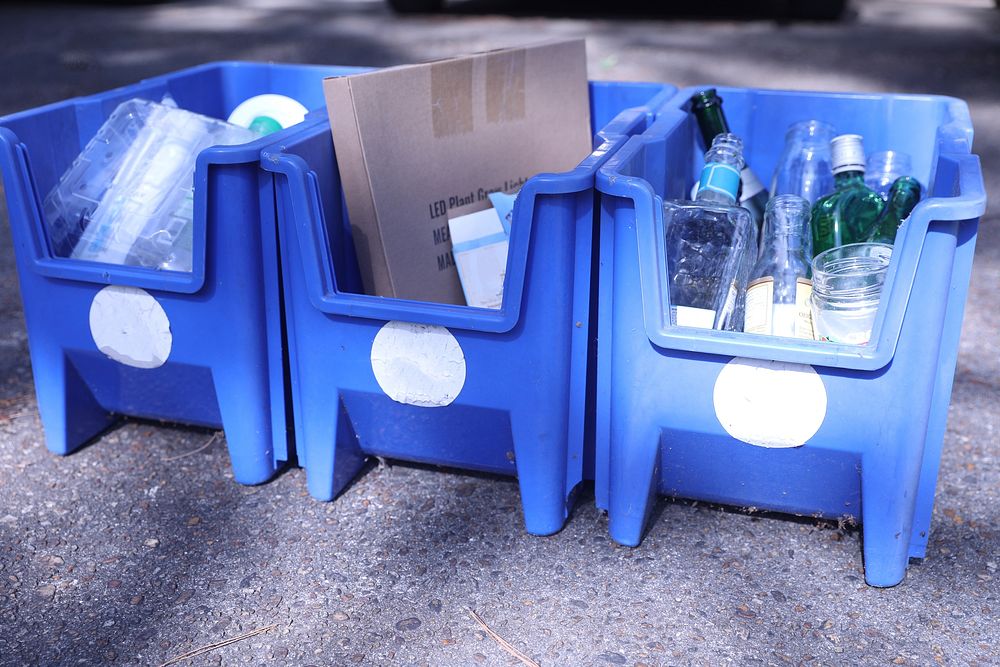
At the collection stage, education is essential. Glass Technology Services stresses that consumers often do not understand which glass types are recyclable; while bottles and jars are suitable, ovenware and drinking glasses are not. Industry and municipalities must collaborate to deliver clear messaging and to provide dedicated glass-only collection systems where possible. Separating glass at the kerbside or through deposit-return programs increases yield and reduces contamination.
Manufacturers can also invest in closed-loop systems. By recycling in‑house cullet and collaborating with local beneficiation facilities, producers can secure a consistent supply of high-quality cullet, reducing reliance on external streams. Advanced robotics and optical sorting technologies can further clean cullet streams by detecting color, size and material differences. As the Clean Washington Center notes, ferrous metals can be removed magnetically, while non‑ferrous metals require electrical detection or manual removal. Organics can be washed and screened out or burned off.
Conclusion
Cullet is more than just broken glass. It’s a strategic resource that, when properly managed, yields energy savings, emissions reductions and cost advantages for the glass industry. However, the promise of cullet hinges on quality—without careful sorting, decontamination and supply‑chain coordination, the hidden key becomes a hidden cost. By educating consumers, investing in advanced processing technologies, adopting stringent contamination standards and fostering transparency, we can ensure that cullet lives up to its potential.
At GMIC, we believe that Cullet Quality: The Hidden Key to Efficient Glass Production is not just a slogan but a call to action. Every member of our community—producers, suppliers, regulators and consumers—plays a role in maintaining high-quality cullet. Through collaboration and innovation, we can close the loop, reduce our environmental footprint and strengthen the competitiveness of the glass manufacturing industry.
 JOIN GMIC