𝗪𝗵𝘆 𝗜𝘀𝗻’𝘁 𝗔𝗹𝗹 𝗚𝗹𝗮𝘀𝘀 𝗥𝗲𝗰𝘆𝗰𝗹𝗲𝗱? 𝗧𝗵𝗲 𝗥𝗲𝗮𝗹 𝗖𝗵𝗮𝗹𝗹𝗲𝗻𝗴𝗲𝘀 𝗕𝗲𝗵𝗶𝗻𝗱 𝘁𝗵𝗲 𝗣𝗿𝗼𝗰𝗲𝘀𝘀
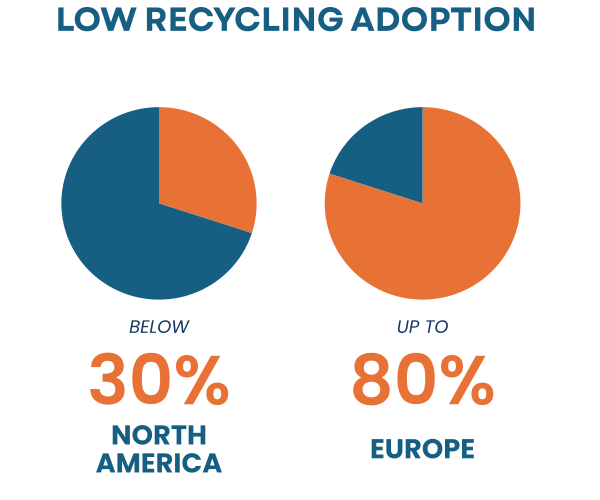
Only about one-third of the glass discarded in the United States is recycled. The rest—millions of tons every year—ends up in landfills despite the fact that glass can be recycled endlessly without losing quality. That disconnect raises a fair question: if glass is one of the most recyclable materials on earth, why isn’t all of it actually recycled?
The answer is not about capability. It’s about systems. When we look closer, the real challenges come from how glass is collected, processed, and valued within the broader recycling ecosystem.
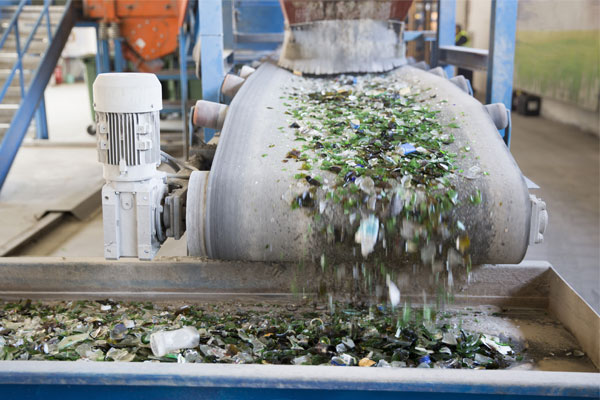
Glass recycling sounds simple. Melt it down and make it again. From a manufacturing standpoint, it’s efficient and sustainable. Cullet reduces energy use, lowers emissions, and cuts down on raw material demand.
But the issue shows up long before glass reaches a furnace.
In many parts of the United States, recycling programs rely on single-stream collection. That means glass is mixed with plastics, metals, and paper in the same bin. While convenient for consumers, this system creates major complications. Glass breaks during collection and transport, and those fragments contaminate other materials.
I’ve seen this become a chain reaction. Once contamination increases, the value of all recyclables in that stream drops. At that point, facilities are forced to make a decision—process it at a loss or send it to a landfill. Too often, the latter wins.
𝗘𝗰𝗼𝗻𝗼𝗺𝗶𝗰 𝗮𝗻𝗱 𝗟𝗼𝗴𝗶𝘀𝘁𝗶𝗰𝗮𝗹 𝗢𝗯𝘀𝘁𝗮𝗰𝗹𝗲𝘀
Glass is heavy. That sounds simple, but it drives a lot of the economics behind recycling.
Because of its weight, transportation costs add up quickly. Trucks fill faster and travel shorter distances per load compared to lighter materials. If a recycling facility is far from a glass processing plant, the cost of moving that material can outweigh its value.
That’s where we see a breakdown in the system. Even if glass is technically recyclable, it doesn’t always make economic sense to recycle it under current conditions.
Processing adds another layer of complexity. Glass must be cleaned, sorted by color, and stripped of contaminants before it can be reused. Ceramics, metals, and even small amounts of non-glass material can disrupt the process. Removing those impurities takes time, technology, and money.
When those costs rise, recycling becomes less attractive compared to disposal.
𝗖𝗼𝗻𝘁𝗮𝗺𝗶𝗻𝗮𝘁𝗶𝗼𝗻 𝗮𝗻𝗱 𝗦𝘆𝘀𝘁𝗲𝗺 𝗜𝗻𝗲𝗳𝗳𝗶𝗰𝗶𝗲𝗻𝗰𝗶𝗲𝘀
One of the most overlooked factors in Why Isn’t All Glass Recycled? The Real Challenges Behind the Process is contamination.
When glass is mixed with other recyclables, it often breaks into small shards that embed into paper and plastic. That reduces the quality of those materials and can make entire batches unusable.
Sorting systems are not perfect. Even advanced facilities struggle to separate glass cleanly once it has been shattered and mixed. Equipment wear, safety concerns, and processing inefficiencies all come into play.
As a result, a significant portion of glass collected through curbside programs never actually gets recycled into new glass products. Instead, it may be downcycled for alternative uses—or discarded altogether.

𝗣𝗼𝗹𝗶𝗰𝘆 𝗚𝗮𝗽𝘀 𝗮𝗻𝗱 𝗖𝗼𝗻𝘀𝘂𝗺𝗲𝗿 𝗕𝗲𝗵𝗮𝘃𝗶𝗼𝗿
Policy plays a major role in recycling outcomes.
States with deposit return systems consistently achieve higher recycling rates. When consumers have a financial incentive to return glass containers, collection becomes cleaner and more efficient. The material stays separate, less contaminated, and more valuable.
In areas without these systems, recycling depends heavily on consumer habits. And that introduces variability.
Even well-intentioned recycling can create problems. When people place non-recyclable items into bins, hoping they’ll be sorted later, it increases contamination across the board. This “wish-cycling” undermines the entire process.
There’s also a broader awareness gap. Many consumers assume that placing glass in a bin guarantees it will be recycled. In reality, that’s only the first step in a much more complex chain.
𝗪𝗵𝘆 𝗚𝗹𝗮𝘀𝘀 𝗥𝗲𝗰𝘆𝗰𝗹𝗶𝗻𝗴 𝗦𝘁𝗶𝗹𝗹 𝗠𝗮𝘁𝘁𝗲𝗿𝘀
Despite these challenges, glass recycling remains one of the most impactful sustainability efforts available to the industry.
Using recycled glass reduces energy consumption in manufacturing. It lowers emissions and extends the life of furnaces. It also reduces the need for raw material extraction, preserving natural resources.
From a quality standpoint, cullet improves consistency in production. It melts more efficiently and helps create a more stable final product.
In short, the benefits are real. The issue isn’t whether glass should be recycled—it’s how we make the system work better.
𝗣𝗮𝘁𝗵𝘀 𝗙𝗼𝗿𝘄𝗮𝗿𝗱 𝗶𝗻 𝗚𝗹𝗮𝘀𝘀 𝗥𝗲𝗰𝘆𝗰𝗹𝗶𝗻𝗴
Improving glass recycling requires alignment across the entire value chain.
Better collection systems are a starting point. Separating glass at the source can dramatically improve recycling outcomes. Cleaner streams lead to higher-quality cullet and more efficient processing.
Investment in regional processing infrastructure can reduce transportation costs and strengthen supply chains. When manufacturers have consistent access to recycled material, the economics begin to shift.
Policy can also play a role. Deposit systems and producer responsibility programs create accountability and improve recovery rates.
And finally, education matters. When consumers understand how recycling works—and what actually helps—they make better decisions at the bin level.
𝗚𝗠𝗜𝗖’𝘀 𝗥𝗼𝗹𝗲 𝗶𝗻 𝗔𝗱𝘃𝗮𝗻𝗰𝗶𝗻𝗴 𝘁𝗵𝗲 𝗜𝗻𝗱𝘂𝘀𝘁𝗿𝘆
The Glass Manufacturing Industry Council plays a critical role in addressing these challenges.
By bringing together manufacturers, suppliers, and industry leaders, GMIC helps drive conversations around efficiency, sustainability, and innovation. The organization focuses on advancing the use of glass while supporting the infrastructure needed to make recycling more effective.
This includes collaboration on new technologies, advocacy for better systems, and education across the industry.
Because solving the question—Why Isn’t All Glass Recycled? The Real Challenges Behind the Process—requires more than awareness. It requires coordination.
And that’s where real progress happens.

 JOIN GMIC