The Role of AI in Predicting Glass Defects Before They Happen
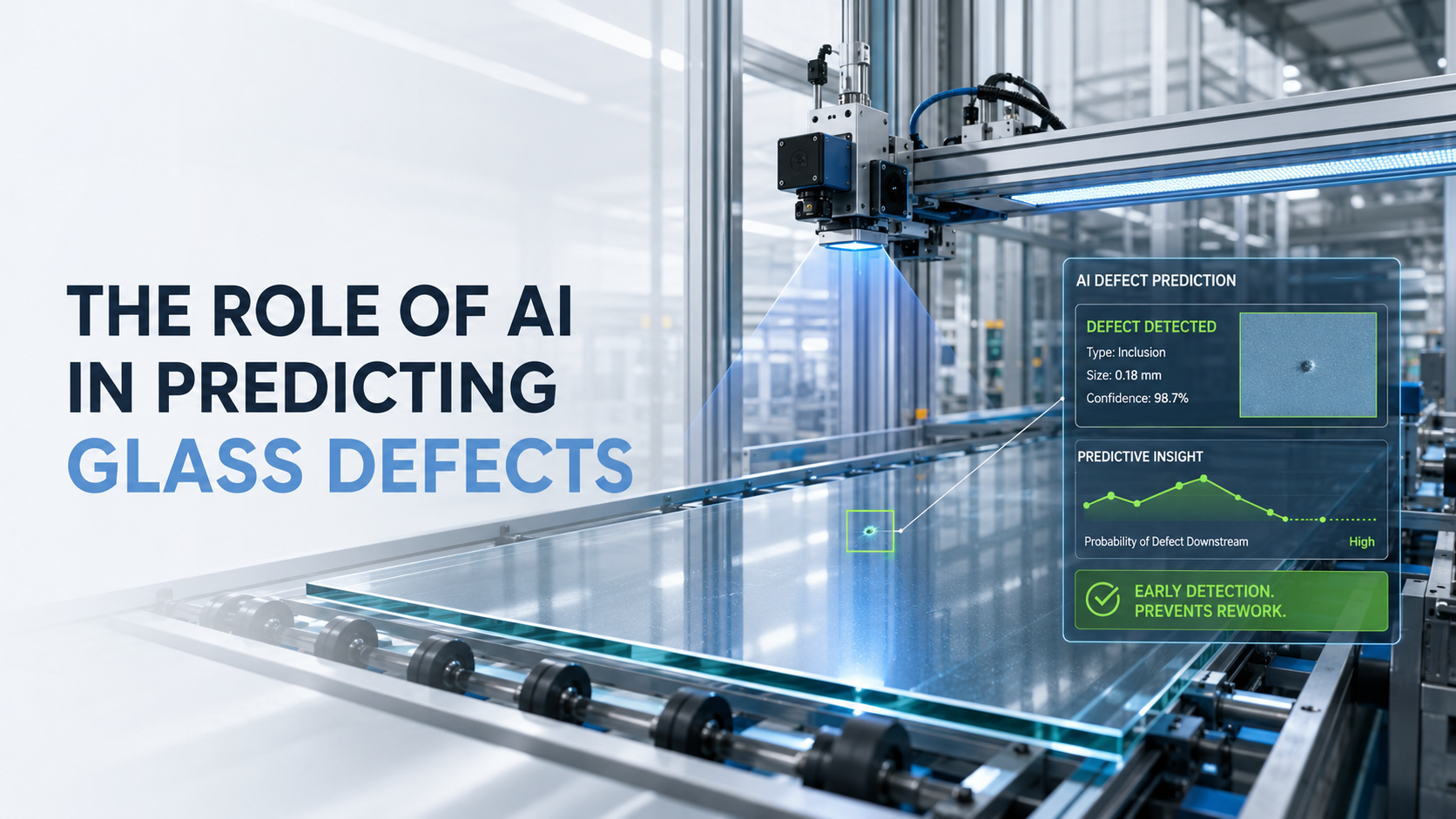
What if a furnace operator could see a quality issue forming hours before it appeared in the finished glass?
That question is becoming more realistic as glass manufacturers adopt better sensors, process data tools, predictive models, and AI-supported decision systems. In an industry where small changes in furnace conditions can affect quality hours or even days later, the ability to act earlier is a major step forward.
The Role of AI in Predicting Glass Defects Before They Happen is not about replacing furnace expertise. It is about giving skilled operators, engineers, and technical teams better information at the right time, so they can make stronger decisions before defects become production problems.
Why Glass Defects Are So Difficult to Predict
Glass quality is shaped long before a defect reaches inspection. Seeds, cords, stones, blisters, knots, and other quality issues may begin inside the furnace, where temperature, flow, atmosphere, raw materials, refractory conditions, and operating changes all interact.
The challenge is timing. A process adjustment made now may not show its full effect until later in production. By the time the defect is visible, the original cause may be harder to isolate.
That delay makes glass manufacturing different from many other production environments. Quality control is not only about identifying what went wrong. It is about understanding how today’s furnace conditions may affect tomorrow’s output.
The Role of AI in Predicting Glass Defects Before They Happen
The Role of AI in Predicting Glass Defects Before They Happen starts with connecting process data to quality outcomes. Furnace temperatures, boosting levels, combustion conditions, pull rate changes, batch chemistry, pressure, sensor readings, and inspection results can all become part of a more complete picture.
AI systems can look for patterns across large amounts of production data. Instead of only reacting to alarms or visible defects, operators can receive earlier warnings that certain conditions may increase the likelihood of quality issues.
This is especially valuable because glass furnaces are complex and continuous. No single reading tells the whole story. AI can help identify relationships that may be difficult to see manually, especially when multiple variables change at the same time.
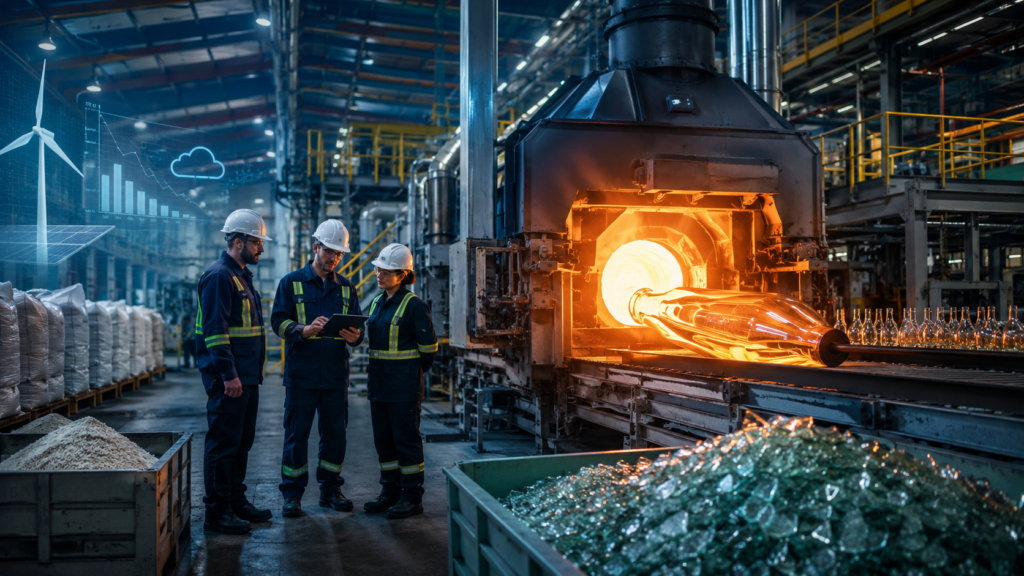
How Predictive Quality Works in Practice
A predictive quality system typically begins by collecting historical and real-time data from the furnace and production line. The system then compares current conditions with past outcomes to identify patterns linked to defects or instability.
For example, if certain temperature trends, residence time changes, or process settings have historically been followed by an increase in bubbles or knots, the system can flag similar conditions earlier. That gives operators time to review the issue, compare it with their own experience, and decide whether corrective action is needed.
The Role of AI in Predicting Glass Defects Before They Happen becomes most useful when it is practical and actionable. A prediction is only valuable if it helps the team understand what may happen next and what options they have to respond.
AI Works Best When Paired With Furnace Knowledge
AI alone is not enough. Glassmakers still need deep process knowledge, experienced operators, accurate sensors, and strong engineering judgment.
The most useful systems combine data-driven learning with an understanding of furnace behavior. In glass manufacturing, that may include computational modeling, thermal analysis, flow behavior, defect history, and input from experienced technical teams.
This matters because AI should not feel like a black box. Operators need confidence in what the system is showing them. When predictions are tied to real furnace behavior and actual production history, the tool becomes easier to trust and use.
A Current Example From the Glass Industry
One example worth watching is CelSian’s Celfos system, which has been described as using AI and CFD-based insights to help predict future glass quality. According to Glass International, the system uses furnace data such as temperatures and process settings to identify patterns that affect future product quality.
Additional context: https://www.glass-international.com/features/how-ai-can-provide-smarter-glass-melting
This type of development shows where the industry is heading. Predictive quality is moving from a future concept to a practical tool that can support daily furnace operations.
What AI Can Help Glass Manufacturers Improve
When used well, predictive AI can support several important goals across glass manufacturing.
Earlier Defect Prevention
The most obvious benefit is earlier action. If a system can flag risk before a defect appears, teams may be able to adjust the process before quality losses grow.
That does not mean every issue can be prevented. But even small improvements in response time can make a difference in yield, stability, and customer confidence.
More Stable Furnace Operations
AI can help operators see trends that may otherwise be missed during busy production conditions. This can support more stable operation, especially when furnaces are running at high pull rates or under tighter energy and quality demands.
The Role of AI in Predicting Glass Defects Before They Happen is closely tied to stability. A more predictable process gives teams more room to manage quality instead of constantly reacting to problems.
Better Use of Process Data
Most modern plants already collect large amounts of data. The challenge is turning that data into something useful.
AI can help organize and interpret process information in a way that supports decision-making. Instead of reviewing data after a problem occurs, teams can use it to look ahead.
Stronger Collaboration Between Teams
Predictive tools can also improve communication between operators, engineers, quality teams, and maintenance staff. When everyone is looking at the same trends and risk indicators, it becomes easier to discuss what is happening and why.
This can be especially helpful when diagnosing recurring issues. Instead of relying only on memory or isolated inspection results, teams can review patterns over time.
What Manufacturers Should Consider Before Adopting AI
AI is only as strong as the foundation behind it. Before a manufacturer invests in predictive quality tools, a few questions matter.
Is the Data Reliable?
Poor sensor data, inconsistent naming, missing records, or disconnected systems can weaken any AI model. Clean, consistent data is a requirement, not a bonus.
Can the Team Act on the Prediction?
A warning is only useful if the plant has clear processes for reviewing and responding to it. Teams need to know who evaluates the alert, what information is checked, and what actions are available.
Does the System Support the Operator?
The best tools should support human expertise, not compete with it. Operators bring context that a model may not fully understand, including production constraints, recent maintenance, furnace history, and customer requirements.
Why This Matters for the Future of Glass Manufacturing
Glass manufacturers are facing pressure to improve quality, reduce waste, lower emissions, manage energy use, and extend equipment life. Predictive AI can support those goals by helping teams make earlier and better-informed decisions.
The Role of AI in Predicting Glass Defects Before They Happen is ultimately about protecting quality and improving performance. It gives glassmakers another way to connect furnace conditions with finished product results.
For GMIC and the broader glass manufacturing community, this is an important area to watch. The future of glass production will still depend on skilled people, sound engineering, and strong operations. AI simply gives those teams a better view of what may be coming next.
 JOIN GMIC