What are the biggest challenges facing glass manufacturers today?
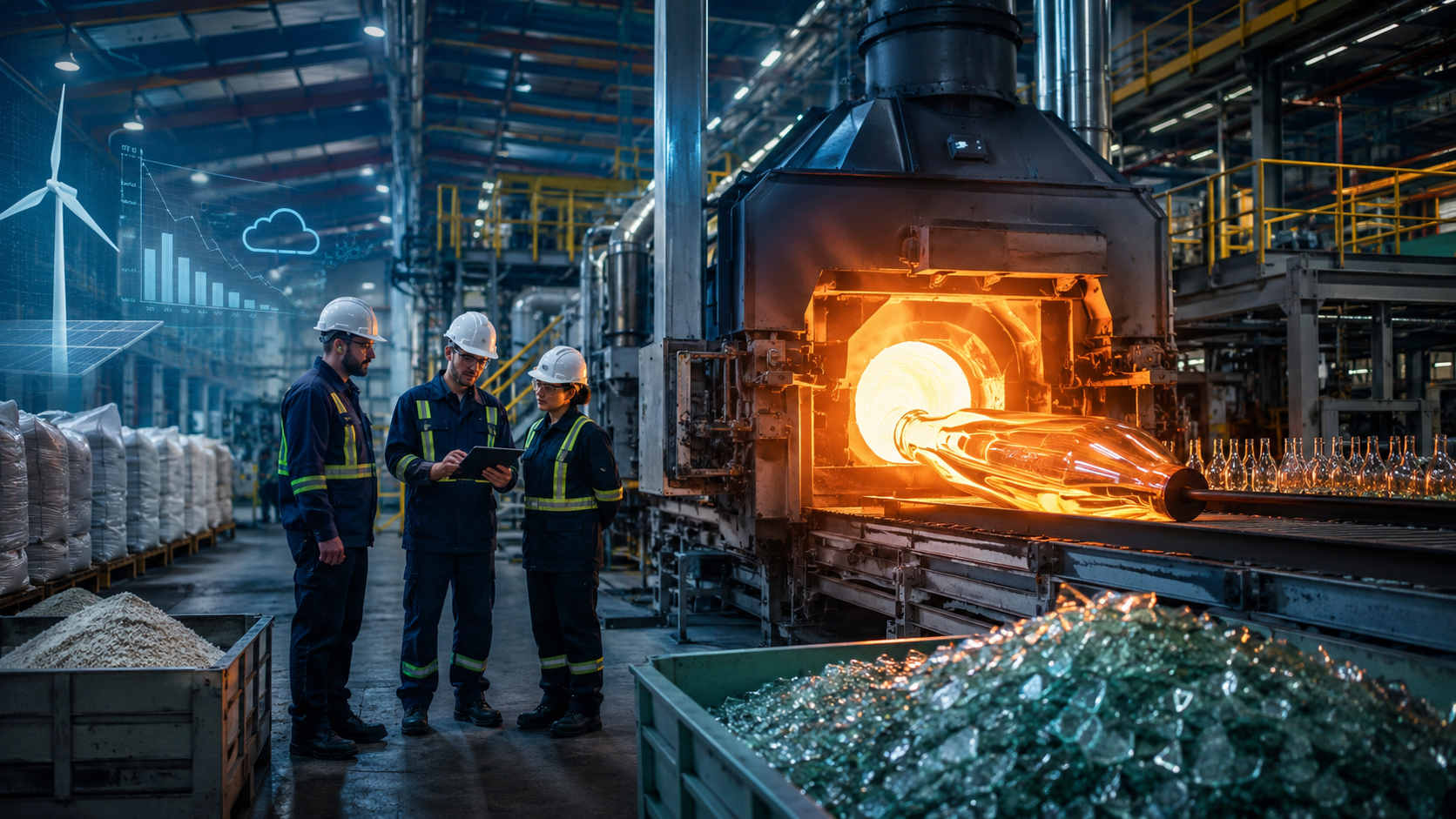
Glass is part of daily life; it keeps our food and medicine safe, powers solar panels and insulates buildings. Yet this ubiquitous material comes with a hefty energy and environmental bill. According to the U.S. Energy Information Administration, the industrial sector accounts for nearly a third of total U.S. energy use, and energy-intensive industries—including glass manufacturing—consume more than half of that total. In the United States, most glass plants rely on natural-gas-fired furnaces that operate around 1,500°C, and gas accounts for roughly 73% of the industry’s fuel mix.
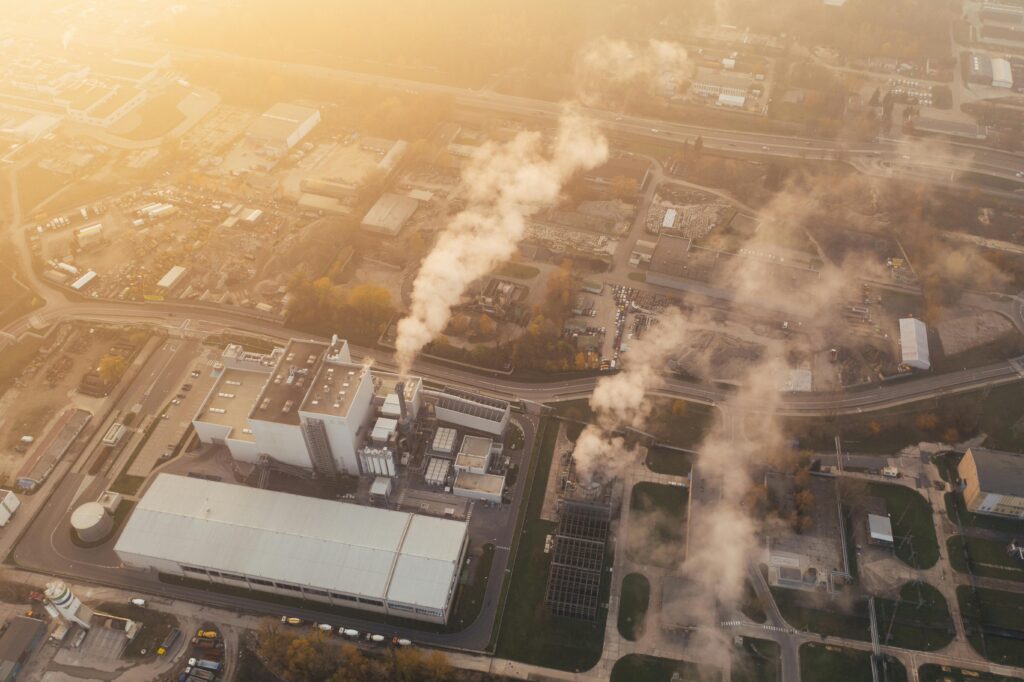
The Glass Manufacturing Industry Council (GMIC) notes that conventional furnaces contribute about 2.6% of global industrial CO₂ emissions. As someone who has spent years working alongside GMIC members, I often ask myself: how can we keep glass’s benefits without paying such a high environmental and economic price?
Key challenges facing glass manufacturers in the United States
From escalating energy costs to workforce shortages, the challenges facing glass manufacturers in the United States cut across every facet of production. Each challenge is interrelated—energy policies affect supply chains, labor shortages influence investment decisions, and sustainability targets require new technologies. Below, I break down the major challenges facing glass manufacturers in the United States and explore how GMIC and its partners are addressing them.
1. Energy intensity and decarbonization
The melting process is at the heart of glassmaking and also its biggest challenge. Furnaces must operate continuously for 15–20 years and hold more than 2,000 tonnes of molten glass. Most use natural gas, and overall fuel consumption in 2010 was about 146 trillion Btu—equivalent to roughly 143 billion cubic feet of gas.
Energy costs can represent up to 14% of total production expenses, leaving manufacturers vulnerable to volatile gas and electricity prices. Decarbonizing this energy use is critical; the glass packaging industry aims to achieve net-carbon neutrality by 2050, but reaching that goal requires significant capital investment and supportive policies.
Hybrid and electric melting technologies are emerging solutions. GMIC’s recent report highlights hybrid furnaces that combine electric heating with natural gas; such systems can reduce carbon emissions by more than 60%, and electric boost can reach up to 80% of heat input. Fully electric furnaces are also being tested, although grid capacity and infrastructure pose challenges.
Electric melting requires high-quality recycled glass, also known as cullet, to minimize foaming and ensure quality, tying decarbonization to recycling efforts. The U.S. Department of Energy and GMIC are collaborating on a project called “Advanced Electric Melting to Decarbonize Commercial Glass” that aims to demonstrate electric processes capable of reducing scope-1 greenhouse-gas emissions by over 85%.
2. Supply chain disruptions and raw material costs
Supply-chain resilience has become a defining issue for manufacturers of all kinds, and U.S. glass makers are no exception. A National Association of Manufacturers survey from 2022 found that 88.1% of respondents identified supply chain challenges as a primary business concern and 85.7% cited increased raw-material costs. Glass producers have struggled to source consistent supplies of silica sand, soda ash and limestone, while shipping bottlenecks have driven up the cost of cullet and specialist refractories.
During the pandemic, the demand for bottles and architectural glass returned faster than supply, leading to shortages. As one industry executive told Glass Magazine, companies have even resorted to flying parts in by air and ordering extra inventory to ensure they can serve customers.
Raw material inflation hits small and mid-sized manufacturers hard because margins are often thin. Energy price spikes compound these pressures; natural gas prices surged following geopolitical events like Russia’s invasion of Ukraine, and electricity rates vary across regions. GMIC’s advocacy includes urging federal and state governments to provide affordable energy options, streamline permitting for renewable projects and support investments in domestic mining of critical minerals.
Diversifying supply sources and increasing the use of cullet also reduce dependence on virgin materials. Each 10% increase in cullet usage can cut energy use by about 3% and carbon emissions by 7%—a small change with outsized impact.
3. Workforce shortages and training
For U.S. glass makers, the story is not limited to machines and raw materials; people are at the core of every plant. The pandemic exacerbated long-standing labor shortages: manufacturing employment lost 1.4 million jobs in March and April 2020 and had recovered only about 1 million by August 2021. Glass industry leaders interviewed at the GlassBuild conference reported that the labor shortage is their “worst news” because demand is strong but skilled workers are scarce.
Employers struggle to attract and retain workers for physically demanding jobs in hot, noisy environments. According to the NAM survey, 79% of manufacturers said they had unfilled positions that were difficult to fill.
Automation and training are two sides of the workforce strategy. Glass Magazine notes that automating processes is “by far the priority” for many manufacturers to address labor shortages. Modern forming machines, robotic handling and AI-enabled quality control reduce the number of operators required and make remaining jobs more skilled and less repetitive.
However, automation cannot entirely replace human expertise. GMIC members are investing in education programs like the Glass Problems Conference and Glass Trend Symposium to train technicians in digital-twin modeling, advanced combustion and sustainable furnace operations. Federal initiatives like the DOE’s Better Plants program provide technical assistance and peer learning, helping companies optimize energy use and prepare the workforce for data-driven manufacturing.
4. Recycling, circularity and consumer expectations
Glass’s unique advantage is its infinite recyclability, yet the U.S. cullet recovery rate hovers around 30%. Consumer expectations are rising: a 2025 McKinsey survey found that 77% of Americans rank recyclability as extremely or very important when choosing packaging, and glass was rated the most sustainable material. Low recovery rates mean that furnaces rely on more virgin raw materials and energy; each tonne of recycled glass can save about 670 kg of CO₂ emissions.
Building a circular supply chain is therefore an essential task for U.S. manufacturers, ensuring that high-quality cullet returns to the furnaces.
GMIC members are leading by example. Gallo Glass diverts nearly 175,000 tons of glass from landfills annually and produces bottles containing up to 75% recycled content. The company developed lightweight 14-ounce wine bottles that reduce material usage and shipping emissions. Such initiatives underscore how design and recycling go hand in hand.
On a policy level, GMIC advocates for deposit-return schemes and better infrastructure for glass collection and sorting. Investments in optical sorting, machine-vision systems and AI can detect glass color and composition to improve cullet purity. As a member of this community, I’m encouraged to see municipalities, beverage companies and GMIC members collaborate to raise recycling rates.

5. Regulations and sustainability commitments
Environmental regulations are tightening worldwide, and U.S. glass companies must navigate a patchwork of state and federal rules. The U.S. Environmental Protection Agency regulates particulate matter emissions from furnaces, and new standards require significant capital investments in pollution control. The European container glass industry aims to reduce CO₂ emissions by 61% by 2030 compared with 2005 levels, setting a benchmark that U.S. producers must consider when exporting to Europe.
Companies increasingly face carbon pricing, extended producer responsibility laws and reporting requirements for climate-related risks.
Meeting these commitments requires not only adopting new technologies but also demonstrating transparency. Consumers and investors are scrutinizing corporate sustainability reports and product declarations. For example, the International Finance Corporation notes that the recycled-glass market could reach USD 5.5 billion by 2025, creating both opportunities and pressures for manufacturers to secure cullet and prove their climate credentials.
GMIC helps members navigate these regulations by sharing best practices, engaging policymakers and highlighting the role of glass in a circular economy.
6. Digital transformation and innovation
Finally, many of these hurdles are also opportunities. Artificial intelligence, machine learning and digital twins enable operators to optimize furnace conditions in real time, predict maintenance needs and reduce scrap. GMIC’s 2025 article notes that an AI-powered energy management system installed at an O-I Glass plant in the U.K. is projected to save 240 tons of CO₂ annually.
Machine-vision tools can inspect glass for bubbles or scratches and adjust production parameters, while AI-enabled sorters enhance recycling by accurately identifying cullet. These technologies reduce energy consumption and improve product quality—benefits that directly address the challenges facing glass manufacturers in the United States.
Digitalisation extends beyond the plant floor. Designers use digital tools to develop lighter, more sustainable products like Guardian Glass’s low-carbon float line, which reduces embodied carbon by more than 30%. Electric-melting projects rely on computational fluid-dynamics models to optimize furnace designs.
The adoption of hybrid and electric furnaces, AI-enabled process control and advanced recycling infrastructure will define the next decade of glass manufacturing. As we look toward 2026 and beyond, GMIC will continue to serve as a partner, ally and advocate—bridging segments of the industry and helping members meet the demanding but exciting challenges ahead.
External resource: U.S. Energy Information Administration – Glass manufacturing is an energy-intensive industry mainly fueled by natural gas https://www.eia.gov/todayinenergy/detail.php
 JOIN GMIC