Batch-to-Melt Conversion: Understanding What Happens Inside the Furnace
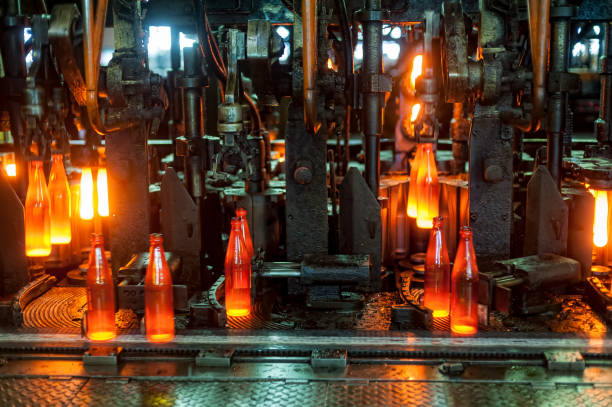
What really happens after raw materials enter a glass furnace? More than most people realize. Before glass can be formed, the batch must move through a series of thermal and chemical changes that affect quality, efficiency, and cost. That is one reason furnace knowledge remains so important across the glass industry.
For GMIC, topics like this matter because the organization supports education, technical understanding, and industry progress. When we better understand how raw materials become a stable, workable melt, we also better understand how to reduce defects, improve operations, and support a more sustainable future for glass manufacturing.
Why This Process Matters
Batch-to-melt conversion is not just a technical step hidden inside the furnace. It influences fuel use, melt quality, furnace performance, residence time, and downstream forming conditions. If the batch does not react and dissolve as expected, the result can be bubbles, unmelted material, inconsistency, and lost efficiency.
That is why this subject has value for more than furnace specialists alone. Suppliers, newer industry professionals, engineers, and plant teams all benefit from understanding what is happening inside the furnace. A stronger grasp of the process helps connect raw material decisions to real production outcomes.
Batch-to-Melt Conversion: What Happens Inside the Furnace
As the batch enters the furnace, it begins changing almost immediately. Moisture leaves first, then decomposition reactions begin as certain materials release gases. As temperatures continue to climb, liquid phases start to form, and those early liquids help attack and dissolve more difficult particles such as silica-bearing grains. This is where the furnace begins turning a loose batch into a developing glass melt.
The process does not happen all at once. A rough melt forms first, followed by a more developed but still bubble-filled melt, and then a clearer, more refined melt as gases are removed and remaining solids dissolve. In simple terms, Batch-to-Melt Conversion: What Happens Inside the Furnace is the story of how heat, chemistry, and time work together to turn a carefully prepared mix of raw materials into glass that is ready for conditioning and forming.
Heat Transfer, Dissolution, and Refinement
Heat reaches the batch from above and below, which means the furnace is managing more than just temperature. It is managing how heat moves through the batch blanket, where reactions begin, how quickly liquid phases form, and how effectively remaining particles dissolve into the melt. Even small differences in raw material size, composition, or distribution can affect how smoothly that happens.
As the melt develops, operators are also dealing with gas release and bubble removal. Some reactions help the process by promoting mixing, but they also create bubbles that must later be removed. That is part of what makes furnace operation so important. The goal is not just to melt the batch, but to create a uniform, stable, workable melt that meets quality expectations.
Efficiency and Sustainability
This process also matters from an energy and sustainability standpoint. Glass melting is one of the most energy-intensive parts of production, so better batch-to-melt behavior can support lower fuel demand, stronger throughput, and fewer process disruptions. Improvements in raw material selection, cullet usage, furnace design, and process control all help move the industry in a better direction.

That aligns closely with GMIC’s broader role in supporting innovation, productivity, and sustainability across the glass industry. As companies continue working toward lower emissions and better operational performance, a clearer understanding of furnace fundamentals becomes even more valuable. Better melting is not just a technical win. It is a business and industry win too.
Learn More at the 87th Glass Problems Conference
Professionals who want a stronger foundation in this topic should pay attention to the upcoming short course at the 87th Glass Problems Conference. On Monday, September 14, 2026, GMIC will host Course 1: Fundamentals of Batch and Furnace Operations from 12:00 Noon to 5:00 p.m. The course will be led by C. Philip Ross, President of Glass Industry Consulting International (GICI).
This course is designed as an introduction to the principles of commercial glass production used in batch and furnace operations by U.S. glass producers. It will touch on raw materials, glass technology and properties, melting furnaces, and environmental issues, making it especially useful for vendors and newer individuals in glass manufacturing seeking a practical introduction to the issues faced in production. You can register here: https://gmic.org/2026-gpc-short-courses/

Final Thoughts
The furnace is where preparation turns into transformation. Every stage, from early heating to dissolution and refinement, affects the quality and efficiency of the final glass. When people understand what is happening inside that system, they are better equipped to improve performance, solve problems, and make smarter production decisions.
 JOIN GMIC